Skip to content
almond processing patent in-shell nut processing

Inside the Blueprint Line: The First Industrial In-Shell Processing Line

RE-NUT AG |

By Christian Zimmermann, CTO of RE-NUT

When we started RE-NUT®, our goal was ambitious: to change how the world processes nuts by building technologies that use the entire raw material, shell, skin, and kernel, to create nutritious food products with zero waste. After years of development, lab validation, and patent work, this vision is now becoming a large-scale industrial reality.

We call it the RE-NUT® Blueprint Line: the first-ever industrial extraction line for in-shell almond processing, located in North America.

From Patent and Trials to Production

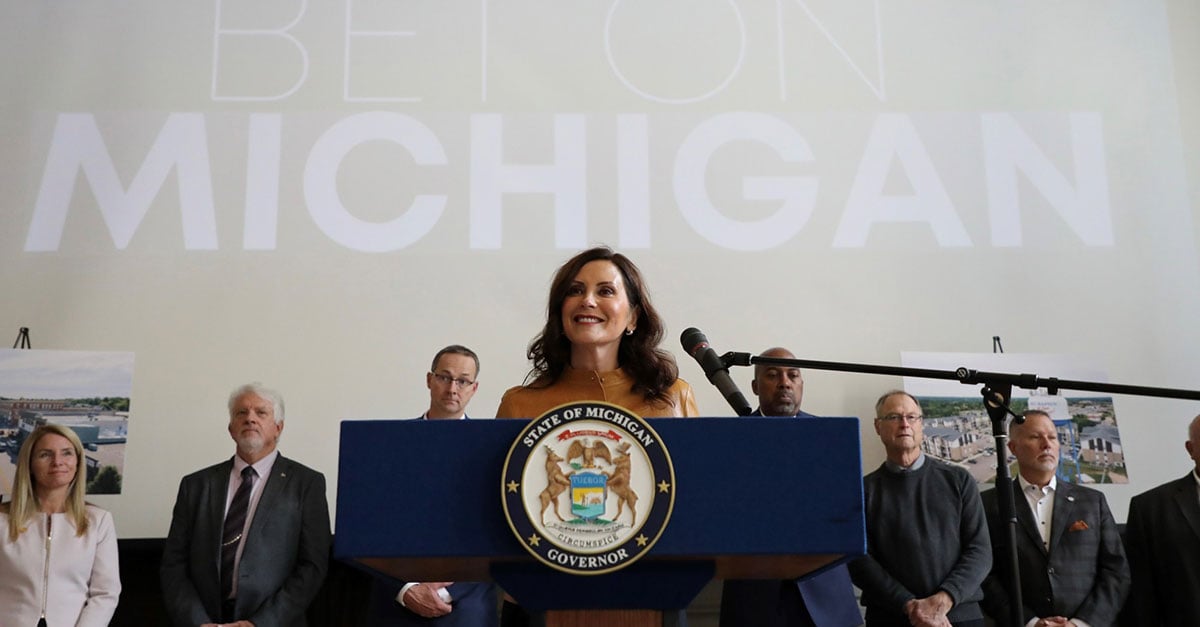
After establishing several international patents to protect our in-shell extraction process and countless processing trials, we found our first industrial partner in North America: one of the continent’s largest Co-Manufacturer in the plant-based drinks segment. He just acquired a new facility in Michigan, which is currently being upgraded for automation and full compliance with U.S. regulations.

Together, we’re building something that has never existed before: an extraction line capable of processing almonds in their shell to produce both almond milk and almond flour, without generating any waste stream by “incycling” all the valuable fiber from the almond shells. This is not a lab project or a small demonstration. It’s a fully industrial food processing line, designed from the ground up to operate according to U.S. food-grade standards.

We are implementing a fully automated process, integrated with sensors to monitor performance in real time and build a comprehensive database to optimize the process over time. Once operational, the system will enable data-driven improvements and serve as a benchmark for scaling the process with larger customers and new applications.

Why North America

Besides regulatory approval for our nut products, there’s another reason why the first Blueprint Line is based in North America: proximity to California, the heart of global almond production. After harvesting, the in-shell almonds will be de-bacterized and roasted, then transported to the Michigan facility for extraction.

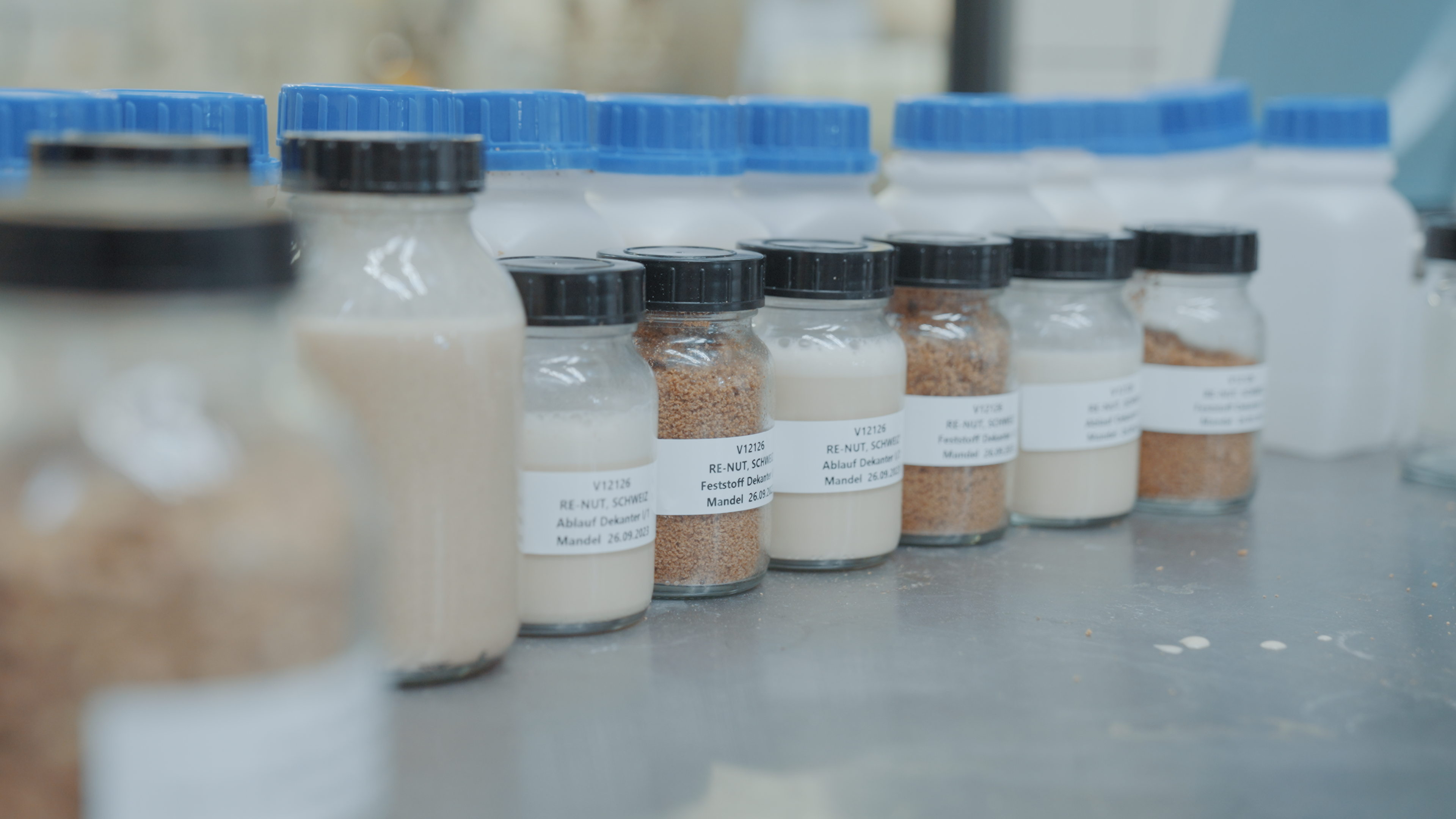
Here, the almonds will be processed in-shell using RE-NUT’s patented process, resulting in two nut products:

  • Clean-Label Almond Milk, extracted directly from the in-shell almonds and distributed through the well-established network of our co-manufacturing partner.
  • Higher-Fiber Almond Flour that retains most of the shell material, ideal as a functional food ingredient.

Both nut products have achieved self-GRAS (Generally Recognized as Safe) status, allowing to be commercialized in the U.S.

ENGINEERING A FIRST-OF-ITS-KIND EXTRACTION LINE

Building the Blueprint Line is both a technical and organizational challenge. What makes this process unique is that there are no by-products or waste streams. Everything entering the line becomes a marketable food product.

We have already started pre-engineering together with GEA, one of the most trusted global suppliers of food processing technologies and our key technology partner for the wet extraction process. The goal is to define the exact plant layout and process sequence from roasting and extraction to separation and product standardization.

For each critical technology component, we are partnering with established global leaders in their respective fields. Every applied technology module is co-developed with an experienced partner to ensure reliability, compliance, and scalability.

We have formed a dedicated task force inside RE-NUT to manage the entire process: from engineering and supplier coordination to risk management and validation. In parallel, we are working with a local project manager in North America, Scott Hanneson, ensuring that decisions are executed efficiently on-site and that the project meets all U.S. standards.

To reduce uncertainty and accelerate execution, we rely on our internal engineering capacities, external advisors who have previously built similar extraction lines for other raw materials like Cocoa, and the collective expertise of our partners.

Every detail matters, from the type of sensors we’ll use for process monitoring to the integration of automation protocols that ensure food safety and performance traceability.

A TIGHT TIMELINE, A CLEAR VISION

One of the biggest challenges is time. We are operating under a tight schedule to launch the Blueprint Line by Q1 2027. Industrial food processing projects of this scale normally take years from design to operation and, when you’re building the first of its kind, uncertainty is part of the process.

Still, our confidence is high. We have a fantastic business partner, a strong team, committed tech-partners, and technology that has already proven its potential in smaller-scale trials as well as in industrial scalable settings several time together with our Partners.

Our mission is clear: to create the first industrial extraction process that uses in-shell almonds to produce high-quality food products at scale. This project is not only about efficiency but about showing the world that circular food production can continuously work at an industrial level.

BUILDING PARTNERSHIPS THAT SCALE

This project wouldn’t be possible without collaboration. Our co-manufacturing partner is not just providing infrastructure, utilities and vast production capabilities, but also opening market access. He will sell the almond milk through his existing partnerships with major brands in the plant-based beverage sector.

At the same time, we’re exploring new market opportunities for our almond flour, particularly as a functional ingredient. Due to its shell components, it ‘s high in fiber, ideal for gut health enhancing food products.

THE PATH FORWARD

Once operational, the Blueprint Line will not just produce food , but also data. Every cycle, every batch, every extraction will generate information that helps us refine and improve the process.

This is how we plan to scale. The Blueprint Line will serve as a template for future installations, both larger and adapted to other nuts such as hazelnuts, walnuts or peanuts. Each implementation will build on the data and insights generated in Michigan, shortening the path from design to production for future sites.

Our aim is to develop the RE-NUT® technology from the first industrial line into a platform for circular nut processing, with modular lines that can be replicated globally.

Redefining What’s Possible

For decades, the food industry has accepted waste as part of the process. With RE-NUT’s technology, that assumption no longer holds. We are proving that it is possible to create two highly differentiating nut products from a single raw material, without discards, while improving yield, sustainability and process efficiency. The Blueprint Line is the first step in this transformation, a working example of how circular principles can be applied to industrial food manufacturing. We’re proud to take this step with the right partners, the right team, and a clear belief that innovation should serve both business and the planet.

The Blueprint Line is not just an engineering project but a demonstration of what the future of sustainable food processing can look like.

Christian Zimmermann
Chief Technology Officer, RE-NUT

See it in action: 


renut_logo_transparent_schwarz

Explore how in-shell processing can transform your production line.

Schedule a demo or consultation to see how you can boost yields and eliminate waste with RE-NUT’s technology.


Share this post